Skip to content

Walk into any bookstore, and you will find a table filled with novels set decades or centuries in the past, and readers are always eager to have more. There is good reason why these books appear over and over again on the bestseller list: imagination and reality collide in historical fiction. Understanding why this genre is so appealing is essential in determining the characteristics of best-selling historical fiction novels and their main ideas.
What Makes Best-Selling Historical Fiction So Appealing?
There is a distinct set of traits that all the most successful historical novels possess. Although an intriguing background of the chosen period and place is undoubtedly important, the rest of the key elements of fiction should be equally compelling. Other genres’ fans are not deterred by the setting’s age; instead, they are attracted by the universal themes of love, revenge, war, and betrayal that have been given new life in the past. This is what makes historical fiction so compelling and full of drama, just as any other non-fiction novel. The best-selling historical fiction books contain strong characters and serious conflicts, which may also interest the modern reader.
Why Historical Fiction Is So Popular With Modern Readers
The popularity of this genre has significantly increased over the years, and multiple factors contribute to this growth. First and foremost is the opportunity to experience a different lifestyle, discover new things, and become more informed about topics that one never thought they would be interested in. Historical fiction fans explore unique backgrounds in which the characters are faced with a different reality. Additionally, those who read historical novels do so for the opportunity to see the struggle between different groups and learn more about the complex details of social issues, including race, gender, and class, without getting overwhelmed by a severe moral lecture.
History Creates Richer Story Settings
Any great historical fiction book has a unique location and period that enrich the context of a story. In historical fiction, the author utilizes the existing conflicts in history as the basis for the plot. Therefore, not only does the writer get to describe the unique setting in which historical figures live, but this also serves to thicken the plot and give the characters more conflict to overcome, which is essential in any fiction book. All things considered, the best-selling books set in the past are easily able to satisfy the readers’ expectations of a thrilling storyline while providing the well-researched setting that becomes a fundamental element of the narrative structure. As long as historical accuracy serves only to enhance the story rather than become its main point, the writer’s choice of period and location will be seen as an advantage rather than a drawback.
Characters Make the Past Feel Personal
Although readers are always intrigued by the colorful locations depicted in historical fiction novels, they connect with the characters on an even deeper level. Historical fiction’s characters are relatable because the plot usually revolves around a single person or a group of people who struggle through various hardships. Love and friendship are also universal themes that permeate many books in this genre. No matter where or when the story takes place, readers will always find the depiction of people who have overcome serious trials the most compelling. Moreover, it seems that the characters’ actions and decisions, as well as their moral dilemmas, resonate deeply within the reader, regardless of whether they are familiar with the period and location the book is set in. This is the most significant characteristic of best-selling historical fiction, so the authors’ focus should be on the depiction of a character-driven story.
The Role of Historical Accuracy and Imagination
Many authors attempt to recreate the past with as much accuracy as possible, and the results of these efforts serve as a solid foundation for best-selling historical fiction books. Writers invest a lot of effort into researching the exact details of the time and place they want to depict. However, in doing so, it is vital to ensure that the necessary elements of fiction are not overlooked. After completing the necessary research, the author must make calculated decisions regarding which parts of history should be emphasized and which parts may be downplayed or completely ignored to bring out the most compelling elements of the narrative. Such attention to detail, as well as the balance between the depiction of historical accuracy and creative liberties, is often the deciding factor between the book’s success and its stagnation in obscurity.
Why Best-Selling Historical Fiction Creates Emotional Connections
Although readers are likely to remember characters and their dramatic stories long after finishing the book, it is the author’s ability to depict the unique circumstances of the characters’ lives that truly sets the book apart. The element of historical fiction that is the most appealing and connecting factor for readers is the combination of actual historical events and a fictional storyline that reflects the characters’ struggles. This is what makes best-selling historical fiction both unique and compelling to modern readers.
Why Historical Fiction Is So Popular Across Different Genres
Although it is difficult to categorize most works of fiction by a singular characteristic, authors tend to lean towards specific elements of certain genres for their works. This is precisely the main trait of historical fiction’s popularity among readers. More specifically, historical fiction is often combined with romance, war, mystery, adventure, and other genres that make its readership significantly wider. An example of this can be seen in best-selling series, such as the Bridgerton books by Julia Quinn, whose combination of historical settings and romantic subplots resoundingly appeals to both fans of romance and historical fiction.
Why This Matters
Understanding the elements that make the characters and their struggles appealing to readers is crucial in determining the best-selling features of historical fiction books. In essence, the key characteristics of this genre’s success lie in its combination of unique, well-researched settings and characters that resonate with readers on a personal level. This aspect is even more important than the seemingly obvious choice of the historical novel’s setting and time period for authors and publishers, as it is what will make the reader return to the book again and again. Although it is easy to overinflate the features of the best-selling fiction books, the elements that distinguish them from the books that fail to gain traction are still easy to pick out. These factors are not limited to the authors’ adherence to the correct depiction of the chosen period and location. Instead, they rely on the more fundamental aspects of fiction, including the author’s focus on the creation of relatable characters and their dramatic stories that continue to captivate the reader long after they finish the book.
Historical Fiction Books Worth Exploring
Some books in this genre are worth further exploration due to their distinct choice of characters and settings.
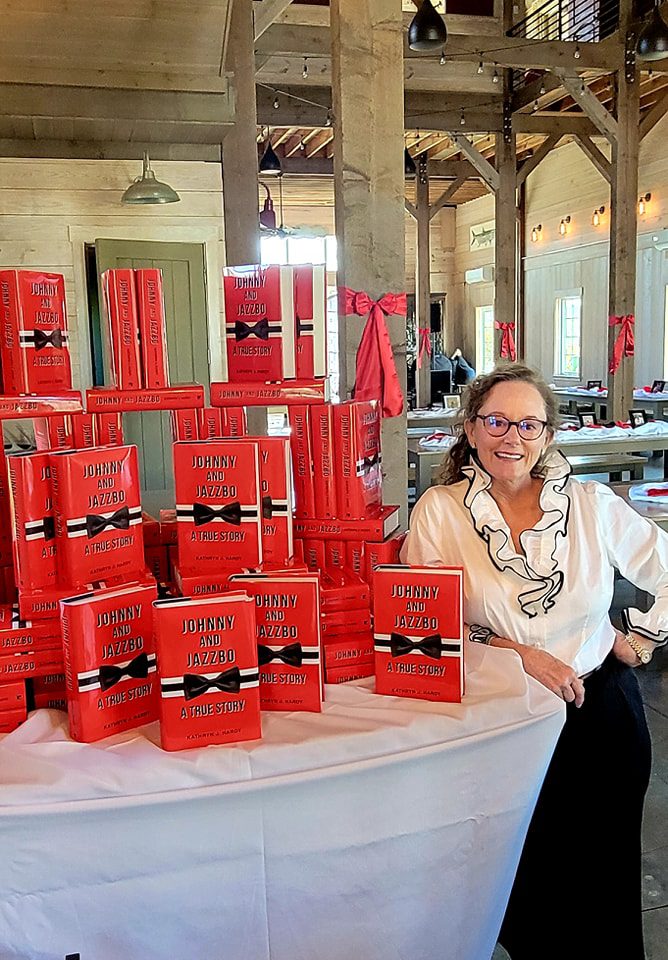
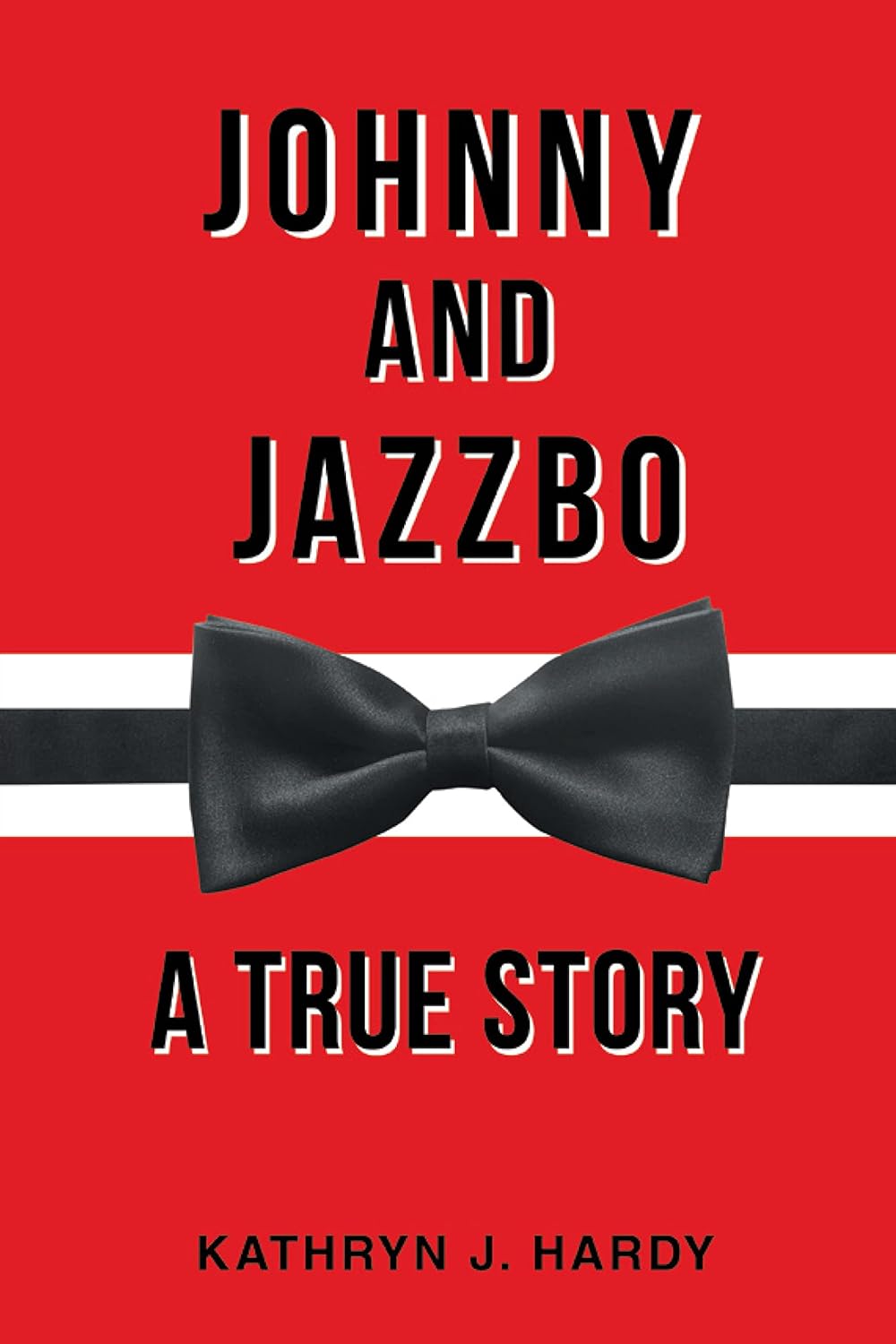
The book Johnny and Jazzbo by Kathryn J. Hardy is a sweeping story of a young dental school graduate whose trip to the Antarctic leads to a decades-long quest for gold, love, and a lasting friendship that is tested by civil rights, discrimination, and a long and winding journey through history.
Wolf Hall by Hilary Mantel is a captivating tale of Tudor England’s rise and fall and Thomas Cromwell’s political and emotional journey through it, full of intrigue, betrayal, and the quest for power.
The Nightingale by Kristin Hannah is a story of two sisters whose lives are turned upside down by WWII, as each of them makes a different choice that affects their journey through history.
All the Light We Cannot See by Anthony Doerr tells the story of a blind French girl and a German soldier who find themselves in the middle of WWII, showcasing the author’s deep empathy for the victims of war and its horrors.
Pachinko by Min Jin Lee is a story of four generations of one Korean family that faces the struggles of prejudice and discrimination in Japan.
Conclusion
In conclusion, best-selling historical fiction books are popular because they satisfy readers’ desire for knowledge and awareness while fulfilling their need for drama, romance, and even the depiction of war. However, as long as the author remembers that the primary purpose of writing a historical novel is not to teach but rather to entertain, the rest will follow. History provides the background and setting, and the characters provide the dramatic elements that keep readers engaged and coming back for more.