Skip to content

Introduction: History Is More Than Dates and Events
Laws, court rulings, and marches shaped the American struggle for racial equality, but on the page they can feel distant. History becomes easier to feel when readers meet the people who lived it: neighbors, coworkers, and friends whose choices were shaped by segregation in America. That is what the best civil rights movement books offer. Some are memoirs, some are biographies, and some are novels, and books based on true stories draw readers in because real lives sit at the center. This guide points you toward engaging titles while keeping a clear line between documented history and fiction.
Why Storytelling Makes Civil Rights History More Personal
Court decisions, legislation, and mass demonstrations are well documented, and they matter. Yet they do not show what a lunch counter, a school hallway, or a Sunday dinner felt like for the people involved.
Narrative fills that gap. Characters make decisions under pressure, friendships strain or deepen, and readers see how discrimination affected work, safety, and daily choices. Stories complement formal study; they do not replace it. Historical fiction uses imagined characters or events within a real setting, while nonfiction presents accounts supported by evidence. Both can enrich a reader’s grasp of African American history, provided you know which one you are holding. Many civil rights movement books reward readers most when paired with a reliable history.
What to Look for in Civil Rights Movement Books
When choosing civil rights movement books, start with human-centered narratives that show how conditions affected individuals, families, friendships, and communities. Look for enough historical context to understand the place and period, and notice whose experiences the book represents and whether the people affected by discrimination receive real attention.
Check the genre next. Historical fiction, memoir, biography, and narrative nonfiction make different promises about accuracy, and the label tells you how to read the events. Prefer works that treat racial injustice with depth instead of reducing complex experiences to a tidy lesson. Compelling writing and sound history can coexist, and a book does not need to read like a textbook to offer insight. If you are drawn to books based on true stories, look for an author’s note or source list that explains how closely the narrative follows documented events.
Recommended Civil Rights Movement Books for Story-Driven Readers
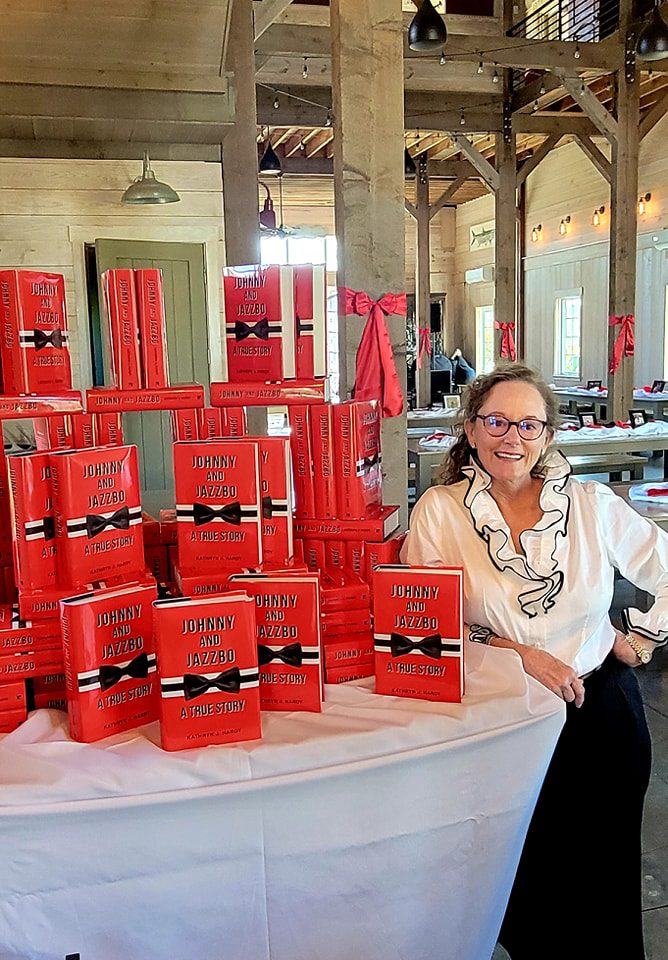
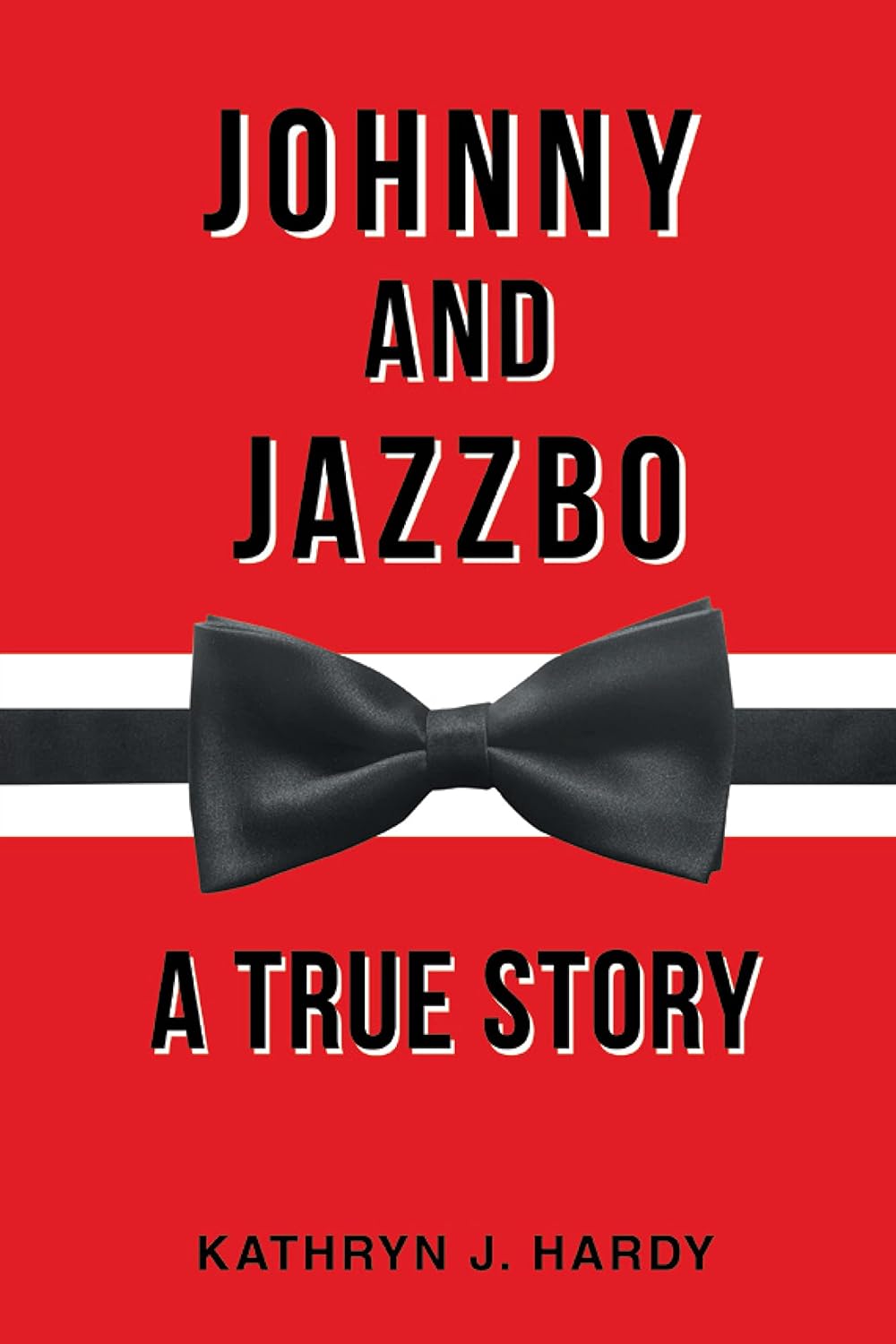
Johnny and Jazzbo by Kathryn J. Hardy
For readers building a list of civil rights movement books, it offers a character-driven way into the tensions and relationships of a turbulent period, and it may suit those who prefer personal experience to textbook explanation. The synopsis does not establish whether the work is fictional or factual, so its place among books based on true story should not be assumed, and its plot should not be read as a verified historical account.
March: Book One by John Lewis and Andrew Aydin
Illustrated by Nate Powell. A graphic memoir, the first volume of a trilogy drawn from Lewis’s own experiences in the movement. It explores courage, nonviolence, and organizing, and its visual format makes it an accessible entry among civil rights movement books.
Warriors Don’t Cry by Melba Pattillo Beals.
A memoir by one of the nine Black students who integrated Little Rock Central High School. It centers on courage under hostility and suits readers who want a firsthand account, the kind of title people often seek when they search for books based on true story.
The Help by Kathryn Stockett.
Historical fiction set in Jackson, Mississippi, in the early 1960s, following Black maids and a young white woman who compiles their experiences. It explores friendship across racial lines and the risks of speaking out, though it has also drawn debate about whose voices it centers. Because it is invented, it should not be treated like the memoirs above or other books based on true story.
How Personal Stories Reveal the Human Cost of Inequality
Character-driven narratives show the consequences of racial discrimination beyond speeches, court decisions, and political milestones. They reveal the strain placed on relationships and communities, the courage needed to challenge unjust treatment, the risks of standing up for equality, and the value of solidarity and mutual respect. Even books based on true stories compress and interpret events, so they are best read as perspectives on the period, not complete records.
Johnny and Jazzbo illustrates several of these themes, going only by its synopsis. The pairing of Johnny and Otis points to friendship across racial lines, and the dangers they reportedly face in Atlanta suggest the personal cost of taking a stand. Still, personal stories should not reduce the movement to individual triumph. Organized activism, community effort, legal challenges, and broader forces drove change, and no single person or friendship accounts for it. The most thoughtful civil rights movement books keep that collective story in view.
Why These Books Matter Today
Reading about this period supports a fuller understanding of American history and of the continuing importance of equality and human dignity. Narratives encourage reflection on prejudice, fairness, and civic responsibility, and different perspectives can broaden understanding, provided readers keep fiction separate from documented evidence. Readers who seek books based on true stories should confirm what a book claims about its sources.
A note on credibility: sound historical discussion depends on reliable sources, accurate context, and transparent treatment of fact and interpretation. This article is a reading guide, not original historical research, and it makes no claim of professional historical expertise. Readers who want to verify details should consult established histories and archives.
Conclusion: Discover History Through the People Who Lived It
Narrative-driven books help readers meet the Civil Rights Movement through people, not just dates and statutes. Whether you prefer memoir, graphic nonfiction, or fiction, the right civil rights movement books and carefully chosen books based on true stories can make history personal while sending you back to documented sources. Johnny and Jazzbo by Kathryn J. Hardy is a relevant recommendation for readers drawn to a narrative about racial equality, friendship, courage, and social change. Choose one title that fits your interests and explore the human experiences behind American history.