Skip to content


The Civil Rights Movement occupies a central place in American history, yet the dates and major events often taught in schools can feel distant from the actual human experiences at the heart of this struggle. Understanding what happened requires more than memorizing when laws changed or which speeches were delivered. Civil rights movement books create a much fuller picture by bringing the period to life through personal narratives, individual activism, and family stories.
When you read books that bring history to life, you move beyond facts into lived experience. You see segregation through the eyes of someone who endured it, not as an abstract concept. You understand what it meant to organize a protest, to risk safety for equality, or to navigate daily discrimination. This is why civil rights movement books matter so much. They connect readers to the human realities behind historical events.
Why Civil Rights Movement Books Matter
Civil rights movement books matter because they make history personal. Textbooks present timelines and political structures, but literature and nonfiction narratives show what those timelines meant to real people. A book about segregation can explain how separate schools, water fountains, and entrances worked as a system. But books that bring history to life do something more important: they show how segregation felt, how it shaped daily decisions, and how it fractured communities.
These books preserve firsthand accounts from people who lived through the movement. They present different perspectives based on where people lived, what roles they played, and who they were. They show both the courage and complexity of activism. They document the violence, intimidation, and injustice that protesters faced. They also reveal moments of humor, friendship, hope, and everyday resilience that official histories often overlook.
Books That Bring History to Life Through Personal Stories
Books that bring history to life do their most powerful work when they focus on individual people and their experiences. This might mean memoirs from activists, biographies of civil rights leaders, historical fiction exploring what it felt like to be young during the 1950s and 1960s, or narrative nonfiction weaving personal stories together with historical context.
These different approaches matter. A memoir gives you a firsthand account from someone who was actually there. A biography researches a person’s life using primary sources and interviews. Historical fiction imagines what someone might have experienced, based on actual historical circumstances. Each approach has its own strengths. When you read civil rights movement books from different genres, you gain a more complete understanding of this period.
From Segregation to Activism
Civil rights movement books help readers understand the conditions that made activism necessary. Segregation affected nearly every aspect of life: where African Americans could eat, work, live, attend school, or travel. Employment discrimination meant limited economic opportunity. Voting restrictions prevented participation in democracy. Police violence and legal injustice made the system feel inescapable.
In response, books that bring history to life show how communities organized. People formed groups, planned protests, coordinated boycotts, and engaged in civil disobedience. They developed strategies, trained new members, and took tremendous personal risks. Reading about these efforts through the perspectives of actual organizers, students, workers, and community leaders makes the movement feel like something real people did, not something that simply happened.
The People Behind the Historical Events
History often presents large movements as inevitable forces, but civil rights movement books remind us that movements are made by people. These people had names, families, doubts, and courage. They were students, teachers, ministers, workers, lawyers, journalists, and ordinary citizens who decided that change was necessary.
Books that bring history to life succeed because they focus on these individuals. You might read about an activist’s childhood, their family’s influence on their beliefs, the moment they decided to take a stand, the consequences they faced, and how they persisted. When you know someone’s story in this detail, they become real to you. Their struggle becomes understandable. Their sacrifice gains weight.
How Civil Rights Movement Books Preserve Different Perspectives
No single book can represent everyone’s experience of the Civil Rights Movement. Someone who grew up in the rural South experienced segregation differently than someone in a Northern city. A young student participating in sit-ins had different risks and motivations than a lawyer challenging segregation in court. A Black business owner, a sharecropper, a teacher, and a minister all lived through the same movement from different positions.
This is why reading multiple civil rights movement books matters. Different authors and narrators provide different perspectives based on who they were and where they stood. Books that bring history to life acknowledge this complexity by showing how history looks different depending on your location, your role, your family circumstances, and your experiences.
Why These Books Stay With Readers
Civil rights movement books leave an impact because they connect readers emotionally and intellectually to historical events. Strong storytelling creates empathy. When you read about someone’s fear, determination, friendship, loss, or hope, you understand something about human experience that facts alone cannot convey.
These books stay with readers because they raise important questions: What would I have done? What does courage actually look like? How does injustice affect families and communities? What role should ordinary people play in social change? Civil rights movement books encourage readers to think about these questions not as abstract concepts but as real human dilemmas.
Understanding Perspective and Genre When Reading About History
When reading about the Civil Rights Movement, it helps to understand who wrote each book and what kind of narrative you are reading. Is this a memoir from someone who lived through these events? A biography researched from historical documents? Historical fiction based on real circumstances? Each author brings their own perspective, shaped by their own experiences and research. The most valuable reading experience comes from understanding what you are reading and who is telling the story. A first-person account from someone who was actually there holds different weight than a fictionalized story, even if that story is deeply researched. Neither is inherently more valuable, but they serve different purposes. Good readers consider these questions as they engage with books about this essential period in American history.
Civil Rights Movement Books to Read
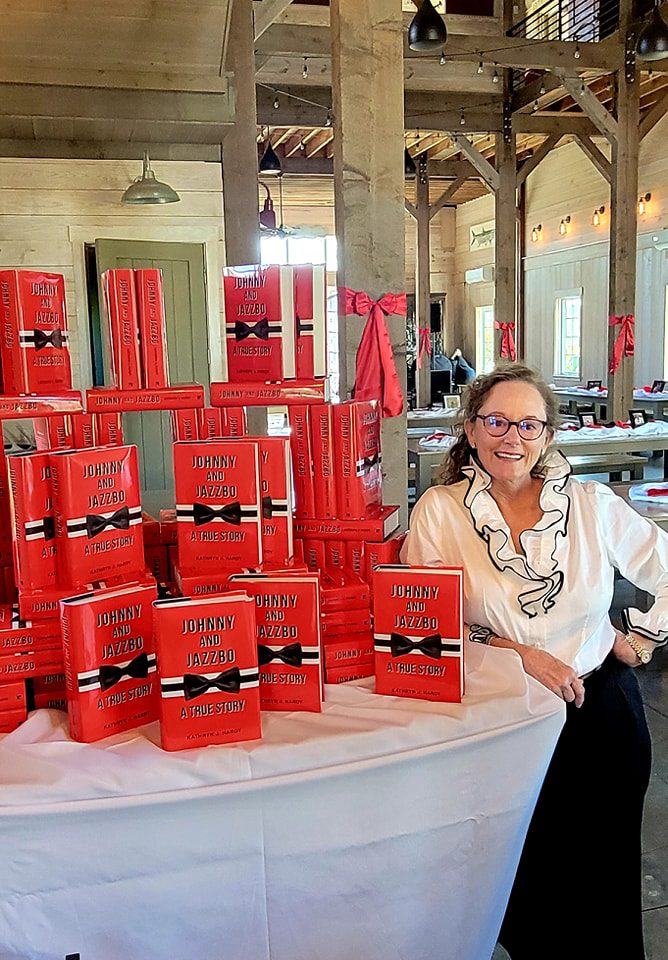
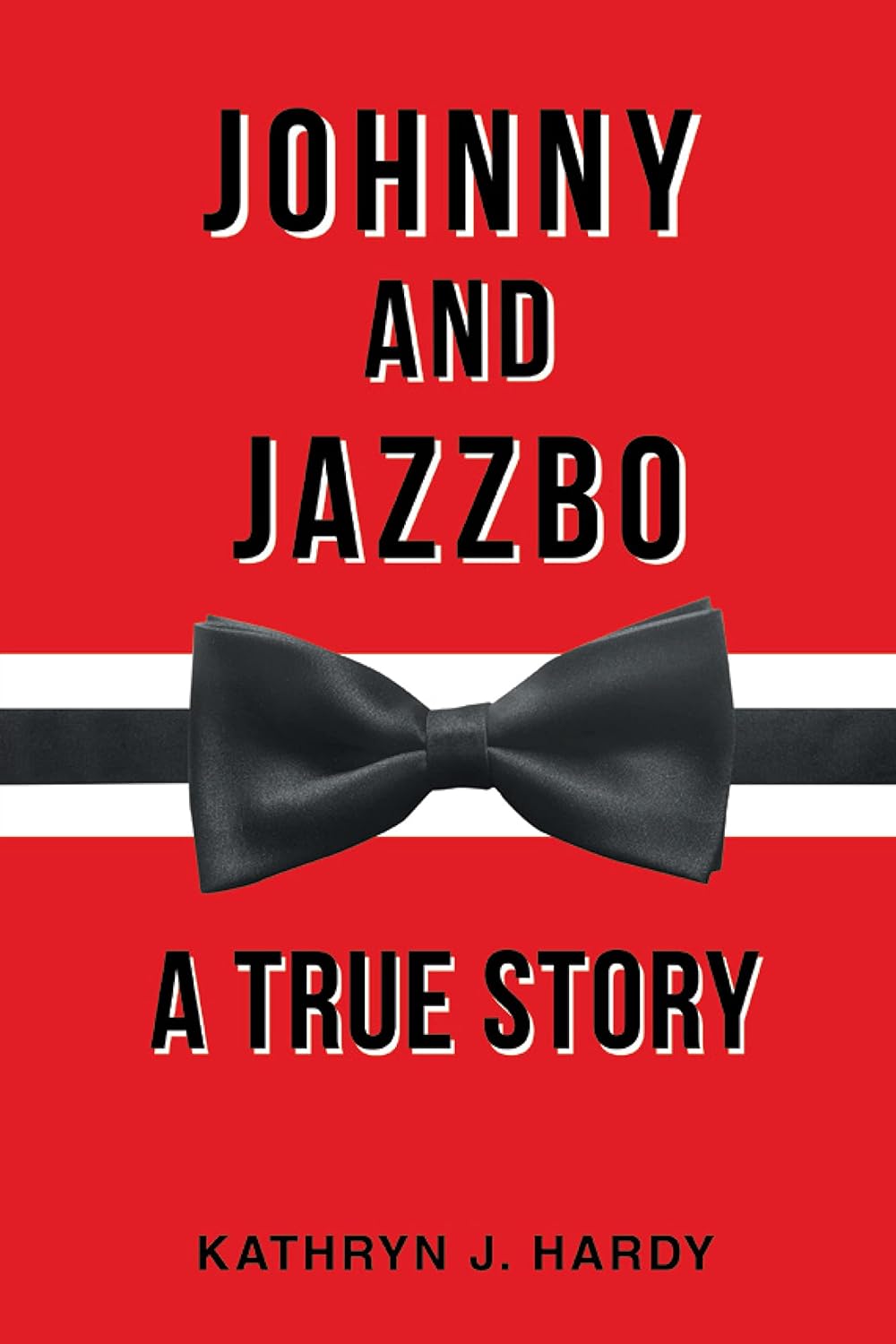
Johnny and Jazzbo
Author: Kathryn J. Hardy
Johnny Savage becomes a dentist and later takes a courageous stand for equal rights in Atlanta, Georgia, where his path intersects with Otis Ikner, a Black houseboy. Their unlikely friendship develops across lines of privilege and prejudice, grounded in shared values of compassion and respect. This novel captures sacrifice, unrest, and the personal cost of fighting injustice during a pivotal American era.
The Autobiography of Malcolm X
Author: Malcolm X with Alex Haley
Malcolm X’s autobiography traces his journey from childhood poverty through prison to becoming a prominent civil rights leader. Written with Alex Haley, this first-person account reveals Malcolm’s evolving beliefs about race, activism, and social change. The book provides crucial perspective on Black nationalism and the political dimensions of the Civil Rights Movement.
I Am Not Your Negro
Author: James Baldwin
Baldwin’s essay collection examines American racism through the lens of three assassinated leaders: Medgar Evers, Malcolm X, and Martin Luther King Jr. Baldwin’s prose is powerful and unflinching as he explores how America has confronted, or failed to confront, its racial past. These essays remain relevant to contemporary discussions about racial justice.
Hidden Figures: The True Story of Four Black Women and the Space Race
Author: Margot Lee Shetterly
Shetterly’s narrative nonfiction uncovers the stories of Black women mathematicians whose contributions to NASA’s space program went largely unrecognized. Set against the backdrop of the Civil Rights Movement, this book shows how segregation and discrimination affected professional workplaces and how brilliant women persisted despite systemic obstacles.
Just Mercy: A Story of Justice and Redemption
Author: Bryan Stevenson
Stevenson’s memoir combines his personal journey as a young lawyer with his fight for wrongly condemned prisoners on death row. The book demonstrates how racism continues to operate within the criminal justice system and how individuals can work for change. It connects historical injustice to contemporary civil rights issues.
Conclusion
Civil rights movement books do essential work that historical facts alone cannot do. They preserve the voices and experiences of people who lived through this transformative period. They show readers what courage looked like, how ordinary people contributed to extraordinary change, and what the struggle for equality actually cost. Books that bring history to life remind us that the Civil Rights Movement was not something that happened to America in the past. It was something that people made happen through their own decisions, risks, and commitment. By reading these narratives, contemporary readers can better understand both what happened and why it continues to matter today.