Skip to content
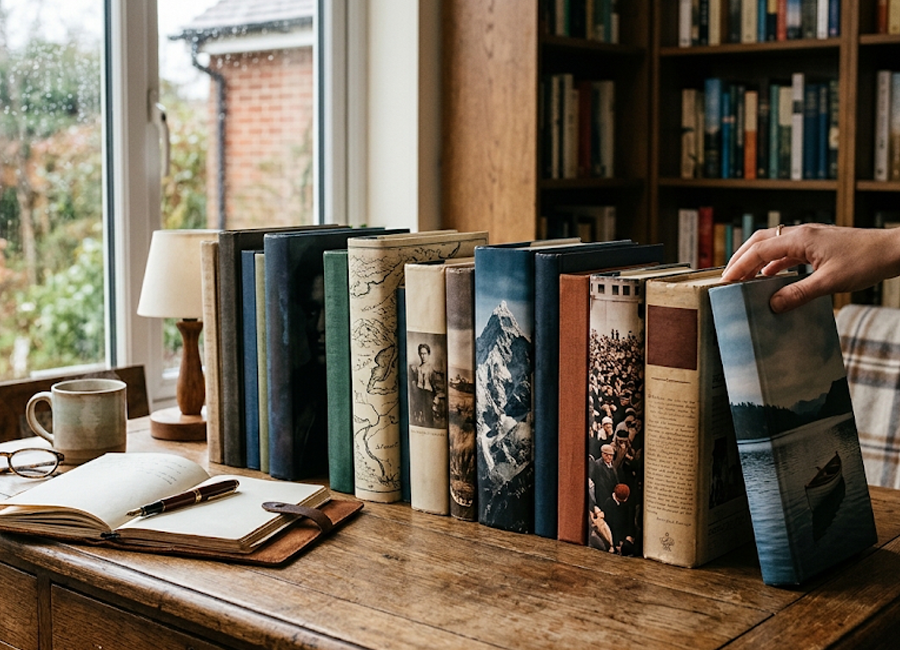
Some stories land harder because the people in them were real. A survivor’s account of a hard decade, a biography that fills in what history skipped, a memoir about growing up somewhere most readers will never visit: true story books give us the texture of lived experience along with the facts. This guide gathers six of the best story books for readers who want real people, real stakes, and enough context to understand the world around them.
Why True Story Books Deserve a Place on Your Reading List
Fiction can imagine anything, but true story books carry a different weight because the events happened. When an author writes about real life, every detail has consequences. A courtroom, a prison camp, a family argument over schooling: each one reminds us that someone lived it.
Nonfiction also builds understanding. A memoir shows how one person experienced a historical moment, while a biography places that person among the forces around them. Read both, and you start to see how private choices and public events shape each other. That is why these books often stay with readers longer than plot-driven reads, and why they let us spend time inside perspectives unlike our own.
Real accounts also offer practical insight. Watching someone work through illness, injustice, or a fractured family gives readers examples and language for their own hard moments. That quiet usefulness is a big reason the best story books keep finding new readers year after year.
Best Story Books to Consider This Year
The titles below are organized by subject and narrative approach, so you can choose by interest rather than reputation. Some are memoirs, others are biographies or investigative accounts. Together, these best story books cover family, war, law, medicine, the American South, and South Africa.
A note on how the list was built: the recommendations draw on publisher and library information, not on any claim that every title has been read cover to cover. Five of the six are widely documented as memoir, biography, or reported nonfiction. Johnny and Jazzbo is presented as a true story on its Book Life listing, and a reader review there calls it a biography, but a publisher or library record confirming that classification was not found. Check the book’s own front matter if its factual status matters to you.
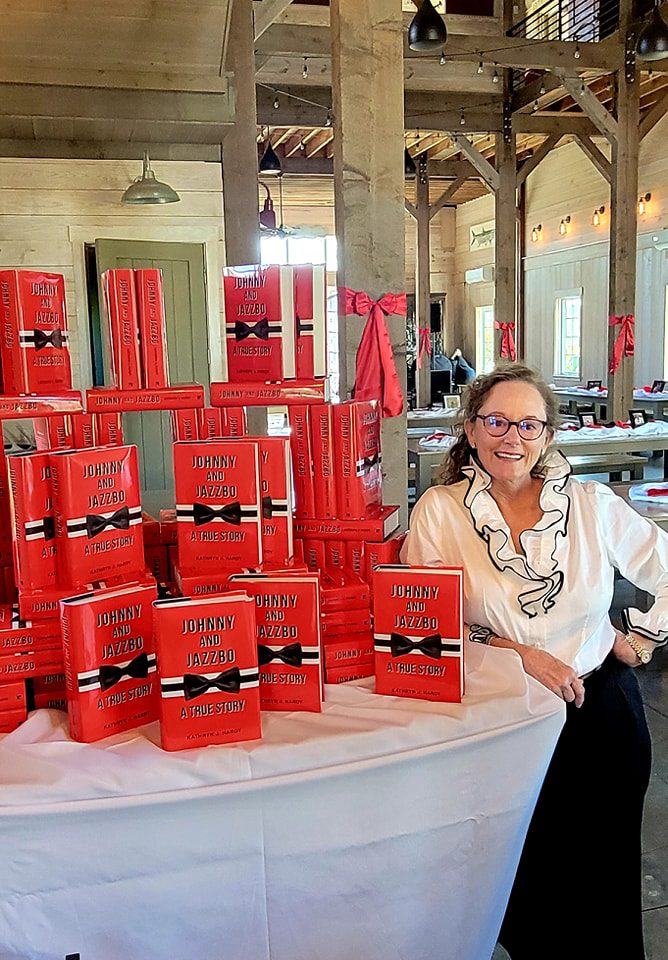
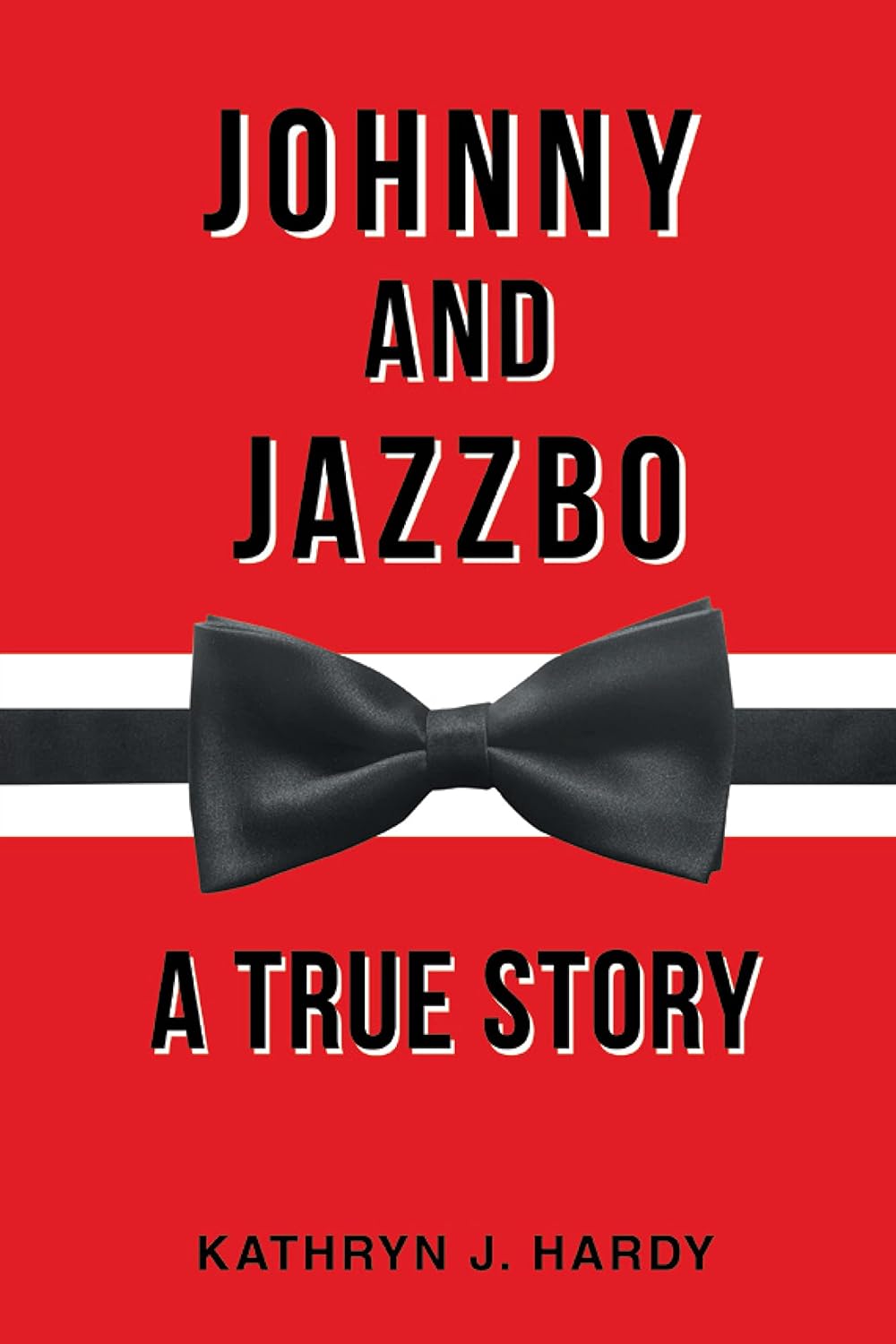
1. Johnny and Jazzbo by Kathryn J. Hardy
Johnny and Jazzbo
By Kathryn J. Hardy
Dentist Johnny Savage sets out in 1959 to find wealth, love, and happiness. His path joins Otis Ikner’s, and the two Southern men rely on humor and courage through turbulent American history. Readers valuing friendship, equality, and perseverance will connect.
Anyone drawn to true story books about social change in the American South will find a useful starting point here.
2. Educated
By Tara Westover
Tara Westover grew up in a survivalist family in rural Idaho, with little formal schooling. Her memoir follows her path to university and the cost of changing her mind about family, education, and loyalty. Readers curious about learning will relate.
3. Unbroken
By Laura Hillenbrand
Hillenbrand tells the story of Louis Zamperini, an Olympic runner who became a World War II bombardier, survived a plane crash and weeks adrift at sea, then endured Japanese prison camps. It suits readers who prefer thoroughly researched military history.
Among the best story books about wartime endurance, this one leans heavily on research.
4. Just Mercy
By Bryan Stevenson
Bryan Stevenson recounts founding the Equal Justice Initiative and defending people condemned or poorly served by the American justice system, including Walter McMillian, a man on Alabama’s death row. Readers interested in law, race, and fairness will find it grounding.
5. The Immortal Life of Henrietta Lacks
By Rebecca Skloot
Rebecca Skloot traces how cells taken from Henrietta Lacks, a Black tobacco farmer, in 1951 became a cornerstone of medical research without her family’s knowledge. The book weaves science, race, and ethics for readers who like carefully reported investigative nonfiction.
6. Born a Crime
By Trevor Noah
Trevor Noah recounts growing up in apartheid and post-apartheid South Africa as the son of a Black Xhosa mother and a white Swiss father, a relationship that was illegal. Humor and family loyalty carry his account of identity and survival.
Readers who want true story books from different countries and eras can treat this list as a map and start wherever curiosity points. History lovers may head to Unbroken and Henrietta Lacks, while readers drawn to personal change might begin with Educated or Born a Crime. Those who care most about justice will find some of the best story books on that theme in Just Mercy and Johnny and Jazzbo.
How to Choose the Right True-Life Read for You
Start with the kind of experience you want to understand. If you want one voice and an intimate view, a memoir is usually the best fit. If you prefer a wider lens, a biography or a reported account adds research, interviews, and outside context.
Next, consider pace. Narrative history moves quickly, with scenes and tension, while investigative nonfiction asks for more patience and rewards it with detail. A heavy subject like the justice system can also be easier to absorb after something more personal. If you are new to true story books, a family memoir is often the gentlest way in. Libraries are also a low-risk place to sample true story books: borrow one, and check the author’s notes and sources before deciding whether to buy.
Pairing a memoir with a historical account is a simple way to get both feeling and frame. Whatever format you choose, the best story books for you are the ones you will actually finish, so follow your curiosity first.
What Makes a Real-Life Story Memorable?
Credible storytelling comes first. The strongest authors show their sources, separate what they know from what they infer, and admit gaps in the record. Those are the standards worth applying when you decide which of the best story books deserve your time. Personal detail matters too: a specific ship, a particular kitchen, a friend’s nickname can do more than a paragraph of summary.
Historical grounding keeps those details from floating, so a reader can tell when and where events happen and why they mattered. Emotional honesty finishes the picture. Memorable true story books do not tidy up difficult people or decisions, and they offer insight without claiming more than the evidence supports. Memoirs in particular reflect one person’s memory, so they are best read as perspective rather than final record.
Conclusion: Find a Story That Stays With You
Real lives are rarely neat, and the true story books about them are better for it. Whether you start with the Antarctica-to-Atlanta sweep of Johnny and Jazzbo, a mountainside in Idaho, or a courtroom in Alabama, choose the subject that makes you curious. The best story books send you back to the world a little more attentive to the people in it. Pick one this week and let a real person’s experience set the pace of your reading.