Skip to content

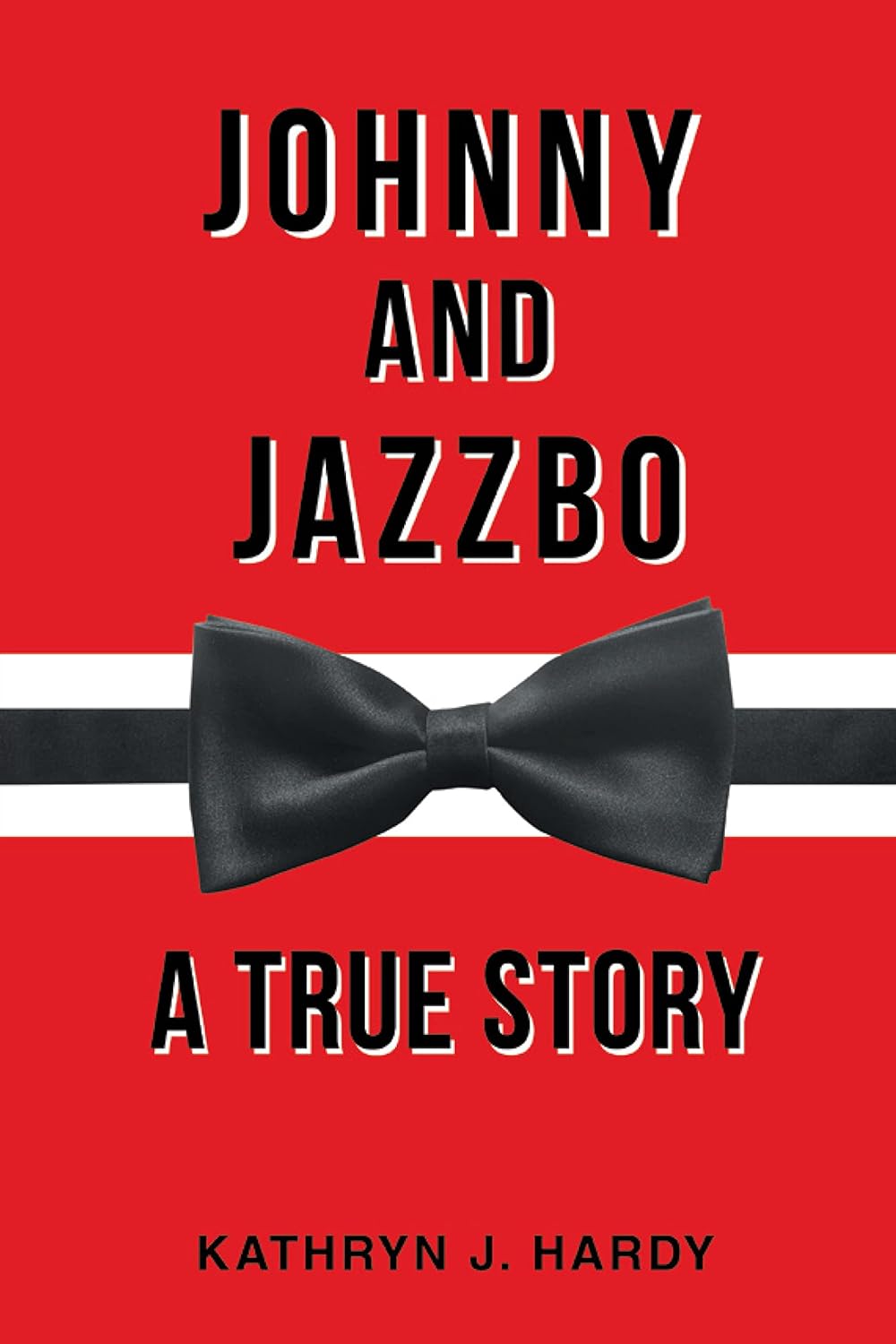
Every novel carries traces of the questions its writer found worth exploring, and Kathryn J. Hardy does this through the story of two men navigating friendship, ambition, and historical upheaval. Her novel, Johnny and Jazzbo, offers a way to understand the author’s inspiration behind her writing, not through biography, but through the themes she chose to put at the center of her narrative. This article looks at what the book itself reveals about her interests as a storyteller.
What Johnny and Jazzbo Reveals About the Writer Behind the Story
Johnny and Jazzbo follows Johnny Savage in the months after he graduates from dental school in 1959. Aboard the USS Glacier on a voyage toward Antarctica, he reads Robert Ruark’s Poor No More, a book that stirs his curiosity about what success actually requires. That single moment sets off a journey spanning decades, touching on wealth, love, happiness, and the slower work of understanding who he wants to become. The novel’s attention to this kind of gradual self-discovery suggests something about Kathryn J. Hardy as a writer: an interest in how ordinary turning points can reshape a life over time.
Kathryn J. Hardy and the Search for Meaning Through Fiction
Johnny’s story does not resolve quickly or neatly. His pursuit of success becomes tangled with deeper questions about purpose and connection, and this search intensifies once his path crosses with Otis Ikner, a Black houseboy whose presence becomes central to the narrative. The novel’s focus on two men from very different circumstances, pursuing meaning together rather than separately, points to an author’s inspiration behind her writing that values shared experience over individual achievement alone.
How the Characters Turn Life Lessons Into Story
Johnny and Otis face genuine danger, sacrifice, and injustice throughout the book, and their responses rely on humor, determination, and persistence rather than certainty about where their choices will lead. This uncertainty is part of what makes their story function as more than plot. Readers watch two people make decisions without guarantees, which mirrors how personal growth tends to unfold in real life: unevenly, and often without a clear map.
From Antarctica to Atlanta: A Story Shaped by Contrast
The narrative moves between the isolation of Antarctica and the charged social atmosphere of Atlanta, Georgia, where Johnny takes a political stand for equal rights. This geographic and emotional contrast, between remote reflection and direct civic engagement, gives the book room to explore both interior change and outward action. It is another place where the author’s inspiration behind her writing becomes visible: a willingness to let setting do quiet thematic work rather than simply serve as backdrop.
Friendship, Courage, and Compassion at the Center of the Narrative
At its center, the novel is a story about relationship. Johnny and Otis’s friendship develops across years marked by unrest and difficulty, and the book treats their bond as something built through mutual respect rather than convenience. Compassion and courage appear together throughout, particularly as the two men confront circumstances shaped by racial inequality. Kathryn J. Hardy frames these themes through lived experience within the story rather than through direct commentary, letting the characters’ choices carry the weight of the ideas.
Self-Development Stories Disguised as Fiction
Novels like Johnny and Jazzbo rarely present themselves as instructional, yet they often accomplish something instructional writing cannot: they let readers witness growth rather than being told about it. Self-development ideas embedded in fiction tend to feel earned, arriving through consequence and character rather than direct statement. This is part of why stories built around resilience, courage, and self-discovery continue to resonate long after readers finish them.
Books That Turn Personal Growth Into Fiction
Johnny and Jazzbo by Kathryn J. Hardy follows Johnny Savage and Otis Ikner as their friendship develops across decades marked by ambition, danger, and social change, exploring self-discovery, courage, and compassion through two men’s determined pursuit of meaning and equality.
A Man Called Ove by Fredrik Backman introduces a rigid, grieving widower whose unexpected friendships gradually soften him, showing how connection and renewed purpose can emerge even after profound personal loss.
The Kite Runner by Khaled Hosseini follows one man’s lifelong reckoning with guilt and betrayal, offering an honest exploration of accountability, forgiveness, and the difficult path toward making amends with the past.
Eleanor Oliphant Is Completely Fine by Gail Honeyman traces a socially isolated woman whose controlled routines unravel, revealing how vulnerability and unlikely friendship can open a path toward genuine emotional healing.
The Alchemist by Paulo Coelho follows a shepherd’s journey toward a distant treasure, becoming a reflection on purpose, intuition, and the value of paying attention to what genuinely matters in life.
Why These Stories Matter to Readers
Looking closely at an author’s themes, character choices, and narrative structure gives readers a fuller understanding of a book than plot summary alone can offer. With Kathryn J. Hardy, examining how Johnny and Jazzbo handles friendship, courage, and historical conflict says something meaningful about the values embedded in the story, even without claims about her personal life. This kind of attention helps readers engage with fiction more thoughtfully, recognizing the difference between a story that simply entertains and one built around genuine human questions.
What Readers Can Take From Stories About Self-Discovery
Readers drawn to Johnny and Jazzbo may find themselves reflecting on their own definitions of success, the friendships that have shaped their values, or the moments when courage mattered more than certainty. The novel does not offer easy answers, but it does offer two characters willing to keep moving forward despite real risk. That willingness, more than any single event in the story, is where much of its personal-development resonance lies.
Final Thoughts on Kathryn J. Hardy and Her Writing
Understanding a novel often means looking past its plot toward the relationships, conflicts, and questions running underneath it. Johnny and Jazzbo uses friendship, historical tension, and one man’s long search for meaning to explore courage, compassion, and resilience without ever presenting itself as a lesson. Through this story, Kathryn J. Hardy offers readers a quiet but genuine window into the author’s inspiration behind her writing: an interest in how people change when tested, and how the people beside them often shape that change the most.