Skip to content

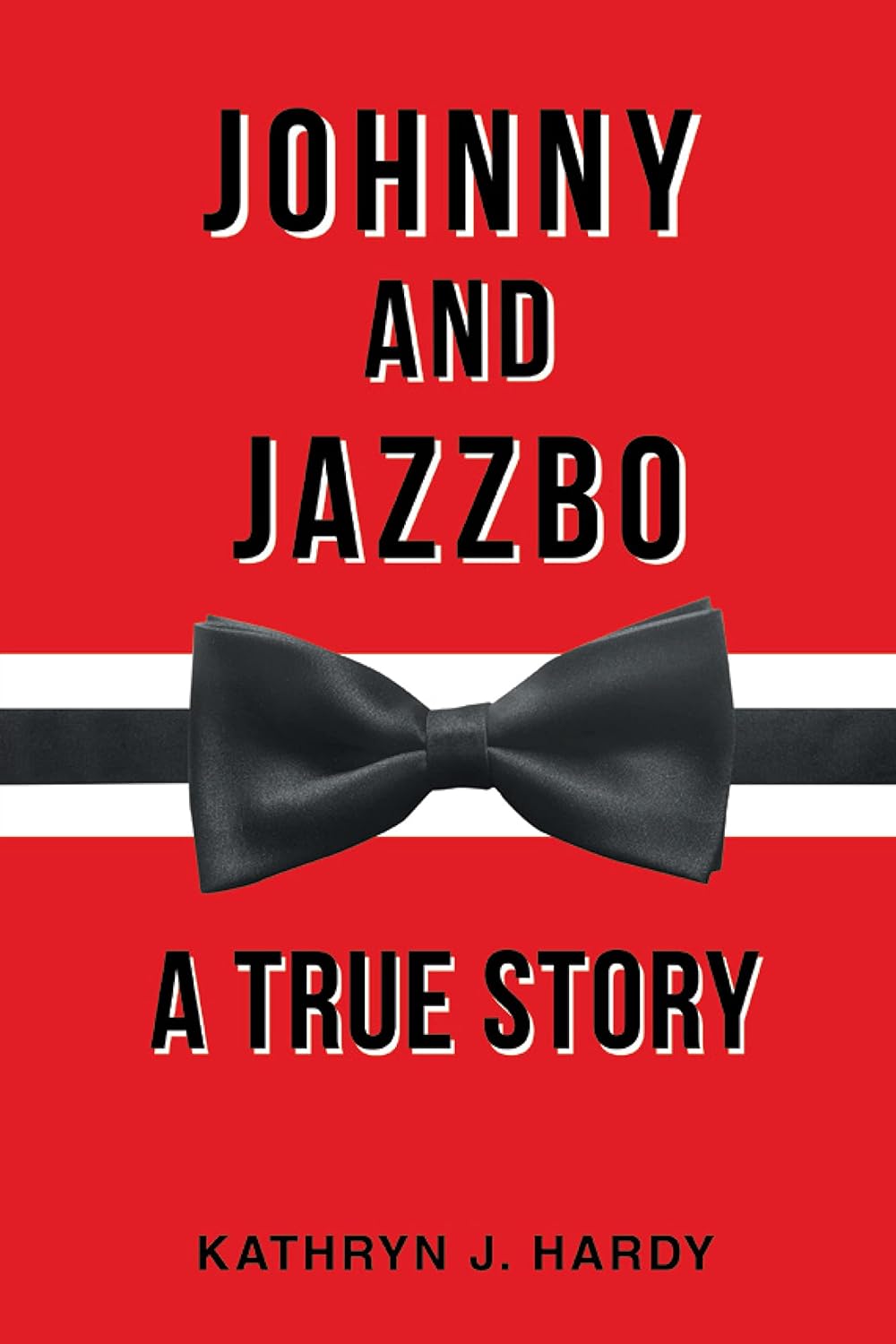
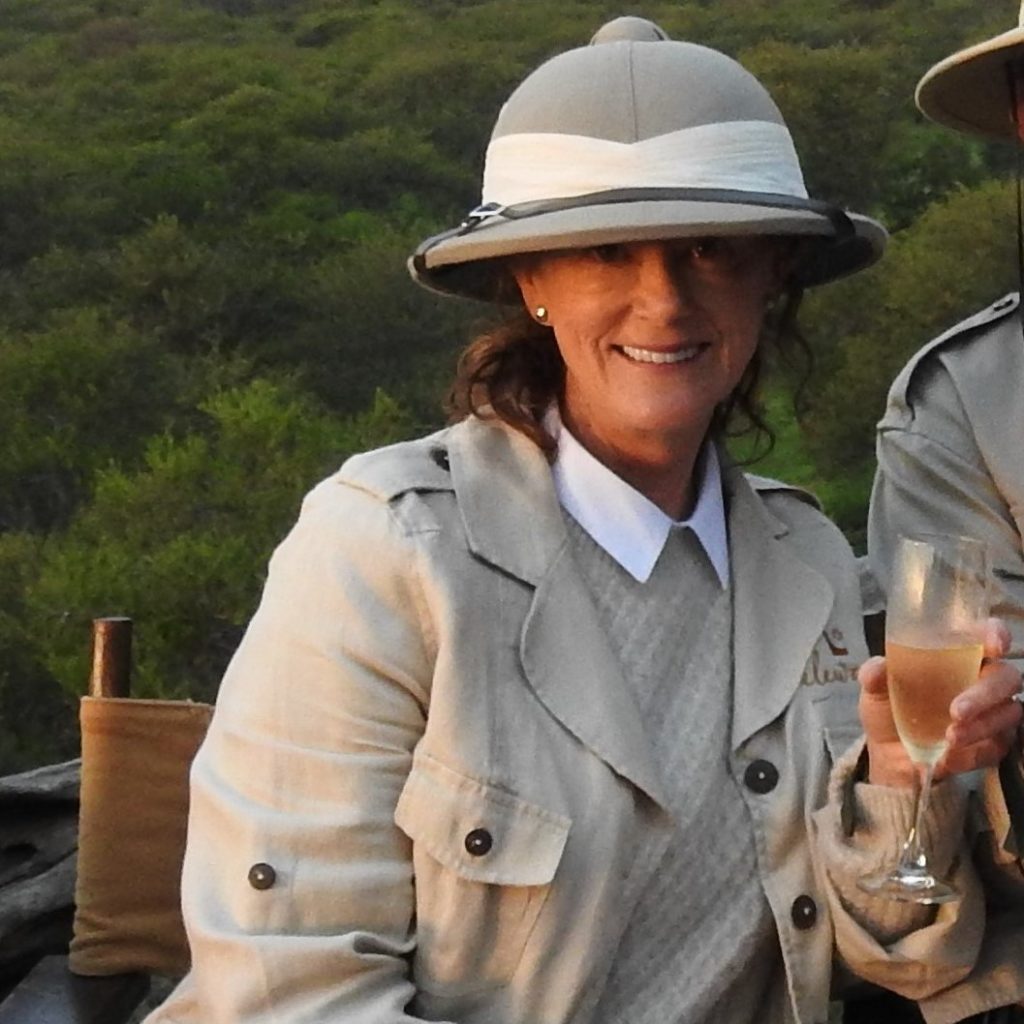
Few writers reach fiction by way of studios, sketchbooks, and passport stamps. The Kathryn J. Hardy author profile follows that kind of route, moving from art education and design into worldwide travel and, eventually, storytelling. Her novel Johnny and Jazzbo carries that wide-ranging background into a story about friendship, courage, and racial equality.
If you often search for the best real story books, a quick clarification helps. Johnny and Jazzbo is a work of fiction. Still, it is set in a recognizable historical period and deals with struggles readers will know from real life. That combination deserves a closer look, and so does the writer behind it.
How the Kathryn J. Hardy author profile took shape
A foundation in art education
Hardy earned a BFA in art education from Wesleyan College in Macon, Georgia. Art education trains people to look carefully and to explain what they see, two habits that serve a novelist well. No source says how this training shaped her fiction, so it is best read as a reasonable interpretation: a creative life built on close observation.
Portraits, fashion, and perfume design
Hardy went on to work as a portrait artist and as a fashion and perfume designer. Each craft asks for a different kind of attention. A portrait captures a person’s character in a single image. Fashion works with texture, line, and mood. Perfume design takes something invisible and tries to make it memorable.
Together, these roles describe an artist who has spent years shaping impressions for other people. Whether that sensibility shows up in her sentences is for readers to judge, but it gives useful context for the creative outlook behind the Kathryn J. Hardy author biography.
Travel as a path toward writing
Hardy has traveled the world with her husband, Ron. While working as a travel ambassador for SITA World Tours, she developed an interest in writing. The biography does not name particular places, people, or moments that sparked that interest, so it would be inventing to claim any.
What can be said is more modest. A life spent moving between cultures tends to sharpen curiosity about how people live, and curiosity is a natural companion to storytelling. That is an interpretation, not a documented fact. For the Kathryn J. Hardy author, the interest in writing surfaced during her travel work, and her creative output now includes both fiction and nonfiction. That suggests a writer at ease with more than one way of telling the truth about people.
Meeting Johnny Savage and Otis Ikner
Johnny and Jazzbo begins several months after Johnny Savage graduates from dental school in 1959. Aboard the Navy ship USS Glacier, headed toward Antarctica, he reads Robert Ruark’s Poor No More. The book sparks his interest in the secrets of success, and that interest grows into a decades-long search for wealth, love, and happiness.
Along the way, his path becomes intertwined with that of Otis Ikner, a Black houseboy. The story moves from Antarctica to Atlanta, Georgia, where Johnny takes a political stand in the struggle for equal rights. Johnny and Otis then face dangerous situations, sacrifices, injustice, and social unrest.
Beyond the Kathryn J. Hardy author biography, the premise itself sets up a useful tension. Johnny starts with a private question, how a person succeeds, and the story places that question inside a public struggle over equal rights. Personal ambition and human responsibility end up in the same room.
What the novel says about success, friendship, and courage
Rethinking what success means
Johnny’s search for wealth, love, and happiness is a familiar kind of ambition. Setting it beside the fight for equal rights invites readers to ask whether personal success means much when it ignores the people around us. The supplied description does not reveal how the story answers that question, and this article will not guess. The question alone is a good reason to keep reading.
Friendship across racial and social lines
The bond between Johnny and Otis sits at the center of the book. The two men are separated by race and by social position, one a dental school graduate and the other a houseboy. The novel looks at compassion, love, friendship, and respect across those differences.
Readers building a shelf of the best real story books often value this kind of relationship, because it asks characters to stay loyal when loyalty costs something.
Courage, perseverance, and humor
The characters face danger, sacrifice, and injustice during a period of social unrest. Courage and determination help them endure. So does humor, which the description lists alongside friendship and respect as a force shaping their experiences.
Humor matters here because people under pressure often rely on it. A story that allows laughter beside hardship usually feels more honest than one that treats every scene with the same weight. Readers who enjoy stories about personal struggle, meaningful relationships, and difficult choices may find plenty to connect with.
Why readers of the best real story books may connect with this novel
Readers who look for the best real story books usually want writing that feels grounded: believable relationships, honest stakes, and a setting that carries historical weight. Johnny and Jazzbo is presented as fiction, so it should not be shelved with memoir or history. The description does point to a realistic backdrop, from the 1959 starting point to the injustice and unrest the characters face.
That realism makes the novel a fair match for people who like the best real story books but stay open to fiction. Invented characters can still face recognizable struggles, and a carefully chosen historical setting gives those struggles weight. The focus on compassion, love, friendship, and respect speaks to problems people know from real life, which is often what draws readers to the best real story books in the first place.
Why this matters: the Kathryn J. Hardy author background in context
It is fair to ask why an author’s background deserves attention. A biography does not prove that a book is good, and this article does not claim otherwise. It can, however, show where a writer is standing when she tells a story.
The Kathryn J. Hardy author background covers art education, portraiture, fashion and perfume design, and years of worldwide travel. Those are different ways of studying people: how they look, what they wear, how they carry themselves, and how they live in different places. Knowing this helps readers approach her fiction with context instead of assumptions. Her work also spans fiction and nonfiction, which makes it easier to see her as someone who values looking at human experience from more than one angle.
No awards, endorsements, or reviews are cited here because none were supplied. The value of this section is context, and the judgment about her writing belongs to each reader.
A closing reflection
Hardy’s path from studio work to travel to the page is a reminder that writers draw on many kinds of training. In Johnny and Jazzbo, that range meets a story about a man chasing success who finds his life tied to another man’s, in a time when equality was a live and dangerous question.
For readers curious about the Kathryn J. Hardy author and her storytelling, the novel offers friendship, courage, humor, and respect set against real historical pressures. And for anyone assembling a list of the best real story books, it makes a useful point: fiction can be just as honest about human struggle as any account of events that actually happened. Either way, the book asks a simple and lasting question. What do we owe one another while we are busy chasing our own goals?