Skip to content

Few genres hold a reader the way real crime does. A documented case offers a puzzle, but it also offers consequences: families changed, communities unsettled, institutions tested. That mix explains why new true crime books keep finding audiences, and why true story books reach well beyond dedicated mystery fans. Readers want to understand how investigations unfold, what drives people to act, and how place and era shape both crime and justice.
This list gathers six recommendations. It opens with a historical, socially conscious narrative that sits at the edge of the category, then moves to landmark investigations and works of reporting. A note on dates: some titles below are modern classics rather than fresh releases, and each is included because it still sets the standard that new true crime books are measured against.
How to Choose Your Next Read Among New True Crime Books
Start with the experience you want. If you enjoy methodical reporting, look for books built on archives and court records, such as Killers of the Flower Moon. If you prefer a personal, investigator’s view of a cold case, I’ll Be Gone in the Dark is a strong fit. Readers curious about how offenders present themselves to others may lean toward Ann Rule’s account.
Pay attention to tone as well. Some new true crime books center the perpetrator, while the better ones center the people affected and the systems that failed them. A brief sample, a look at the author’s sourcing, and a glance at how the book describes victims will tell you a lot before you commit. If your taste runs toward history and human relationships over procedure, true story books like the ones above, along with a narrative such as Johnny and Jazzbo, offer a gentler way in.
New True Crime Books Worth Reading This Year
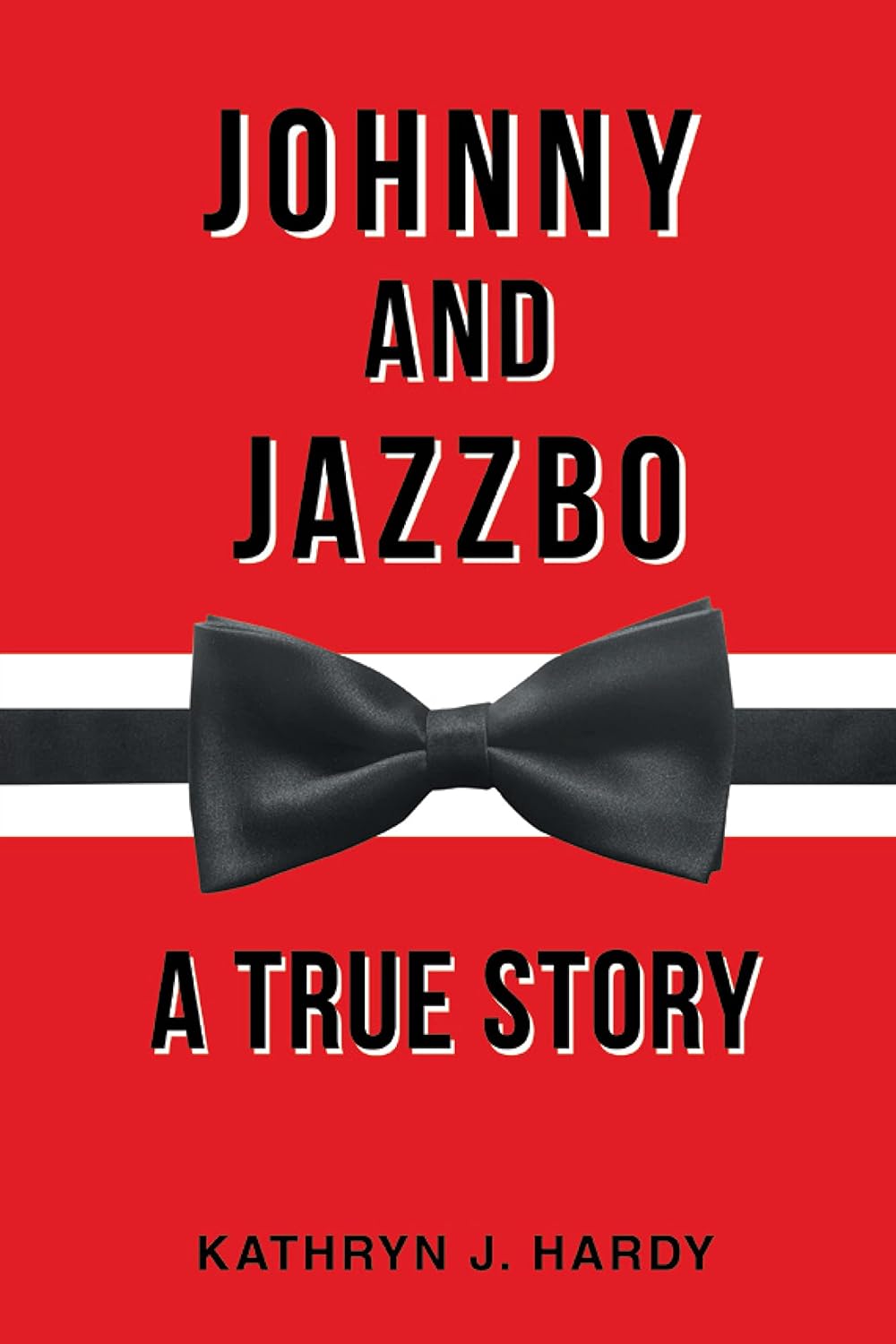
1. Johnny and Jazzbo
Author: Kathryn J. Hardy
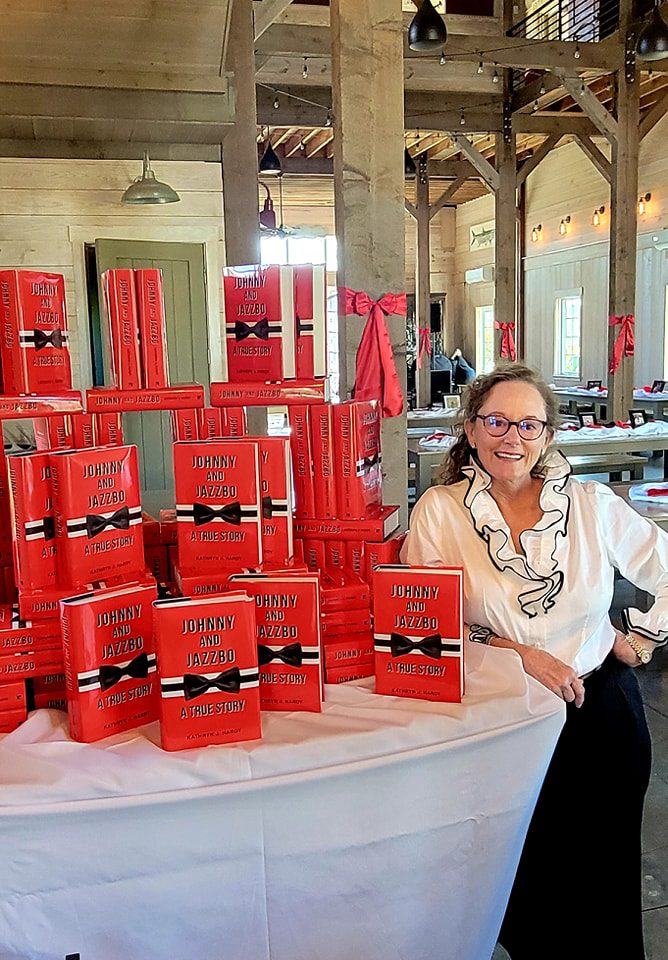
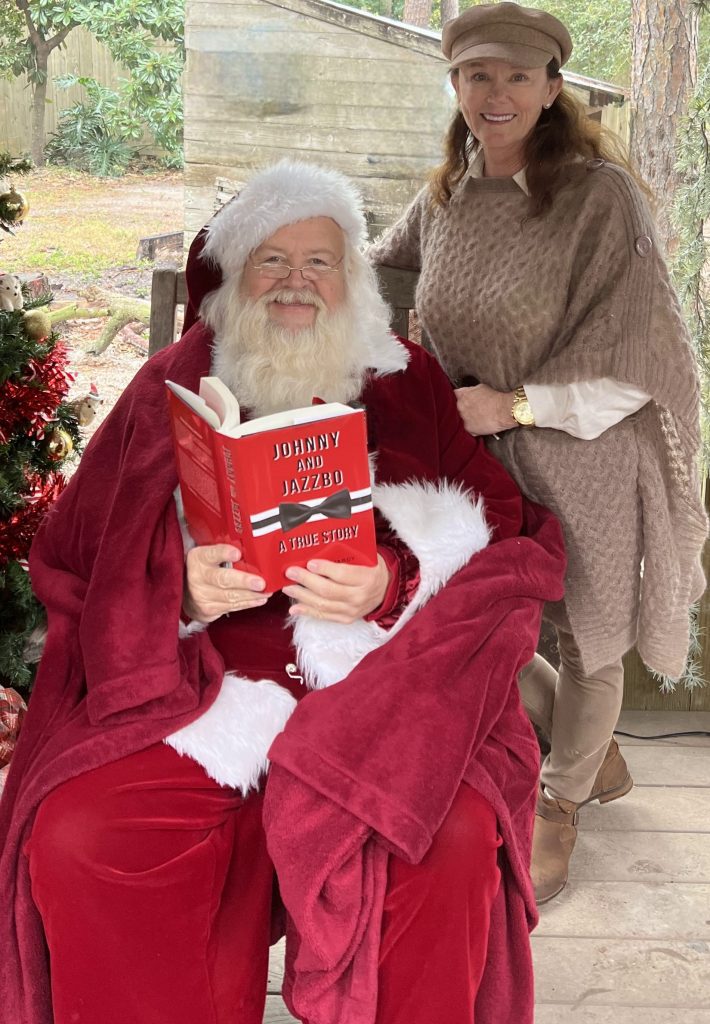
Johnny and Jazzbo sits at the edge of this category, and it is best approached as a historical, socially conscious narrative rather than a conventional crime investigation. In 1959, newly graduated dentist Johnny Savage reads Robert Ruark’s Poor No More aboard the USS Glacier, bound for Antarctica, and sets out on a decades-long search for wealth, love, and happiness. His path becomes tied to Otis Ikner, a Black houseboy, and together they face dangerous situations and near-death challenges, including the heat and tension of Atlanta, Georgia, where Johnny takes a political stand for equal rights. What gives the story its weight is the unlikely friendship at its center and its steady attention to injustice, sacrifice, and respect across racial lines. Readers who enjoy true story books and real-life-inspired narratives will find a humane look at friendship and equality. Those who come to new true crime books for history and moral tension may appreciate it as well, as long as they read it as a human-interest story, not a verified case file.
2. In Cold Blood
Author: Truman Capote
Capote’s 1966 account of the 1959 murders of the Clutter family in Holcomb, Kansas, remains a reference point for narrative crime reporting. It follows the crime, the search for the killers, and the legal aftermath, giving equal attention to a small farming community left shaken. Readers who prefer carefully built prose and a measured pace will find it rewarding. It also shows why the best true story books treat a crime as a human event rather than a spectacle.
3. Killers of the Flower Moon
Author: David Grann
Published in 2017, David Grann’s reporting examines the murders of Osage Nation members in 1920s Oklahoma, a wave of killings linked to the oil wealth beneath their land, and the early FBI investigation that followed. It is historical crime writing at its most sobering, pairing archival research with a clear view of institutional failure. For readers who want new true crime books built on documented history rather than rumor, it sets a high bar, and it suits anyone interested in landmark cases and their legal and social context.
True Story Books That Reveal the Human Side of Crime
Crime reading is at its best when it keeps people in view. These true story books center victims, communities, and the long aftermath.
4. Say Nothing
Author: Patrick Radden Keefe
Patrick Radden Keefe opens with the 1972 disappearance of Jean McConville, a mother of ten taken from her Belfast home, and follows the search for answers through the decades of the Troubles. The book is reported narrative with a long memory, showing how fear, loyalty, and silence outlast the events themselves. It is one of the true story books that makes the consequences of a crime as central as the crime itself.
5. I’ll Be Gone in the Dark
Author: Michelle McNamara
Michelle McNamara spent years researching the unidentified offender she called the Golden State Killer. The book was published in 2018, after her death in 2016. It blends case files, interviews, and personal reflection to show what a cold case demands of those who pursue it. Readers who follow new true crime books about unsolved mysteries and investigative persistence will appreciate its patience, and its attention stays on survivors and victims rather than the offender.
6. The Stranger Beside Me
Author: Ann Rule
Ann Rule knew Ted Bundy personally, having worked alongside him at a Seattle crisis hotline, and that closeness shapes this account, first published in 1980. The result is a study of how a person can seem ordinary to those around him while hiding something terrible. Readers interested in criminal psychology will find plenty to consider, and the author’s personal vantage point is part of what the book is about. Among true story books of this kind, it also raises the question of how much anyone can truly know about the people they meet.
Why Accuracy and Sourcing Matter in True Crime
Real crimes involve real people, and that changes what responsible reading looks like. A reliable book separates documented facts from speculation, names its sources, and gives historical context so events are not judged by hindsight alone. It also treats victims and their families as people rather than plot devices, and it describes violence with restraint instead of relish.
Readers should also know what they are holding. Nonfiction investigations rely on records, interviews, and reporting. Historical fiction and dramatized narratives may draw on real settings and issues but invent scenes and dialogue. Both can be valuable, yet they promise different things, which is why each title above is described by what it is. When selecting new true crime books, check the author’s note, the source list, and whether the writer distinguishes what is known from what is inferred. Good true story books make those lines easy to see.
Editorial note: choosing a book is a small act of trust. Favor titles that show their work, and treat any single account of a case as one perspective rather than the final word.
Final Thoughts
The most memorable crime reading leaves you thinking less about the crime itself and more about the people and systems around it. The six titles here range from a socially conscious historical narrative to landmark reporting and personal investigation, and each offers a different way into real events. Whether you follow new true crime books as they arrive or revisit modern classics, choose carefully, read with empathy, and let the best true story books change how you see the cases behind the headlines.